Topic on a Page for L3 AAQ BTEC National: Health and Social Care
The content is well chunked, reducing cognitive load and making revision more manageable
Visually engaging A3 posters with concise, easy-to-learn summaries of every specification topic. Help students see the bigger picture on an entire topic.
Included for each of the 9-11 topics:
- Summary Poster giving at-a-glance overview
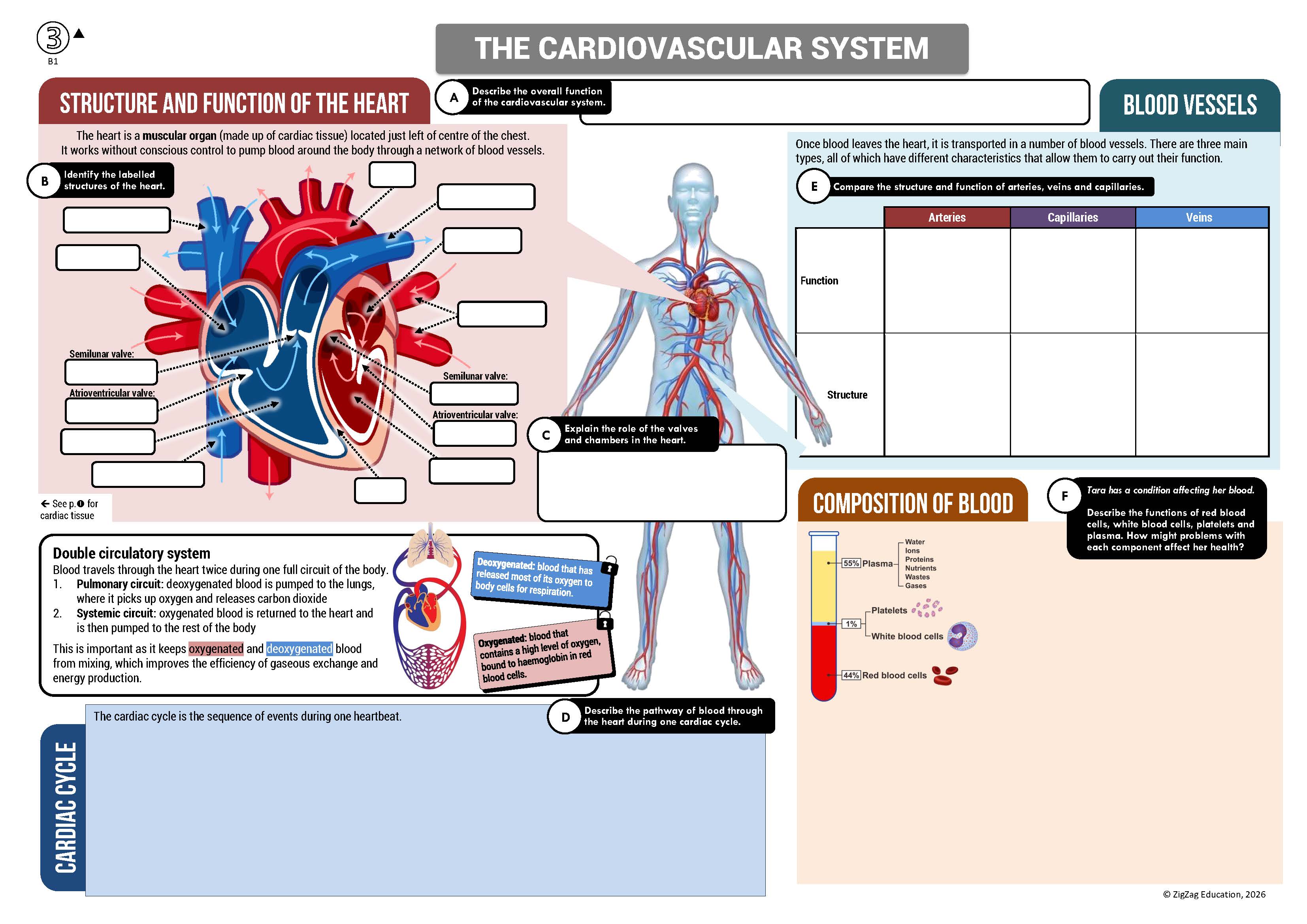
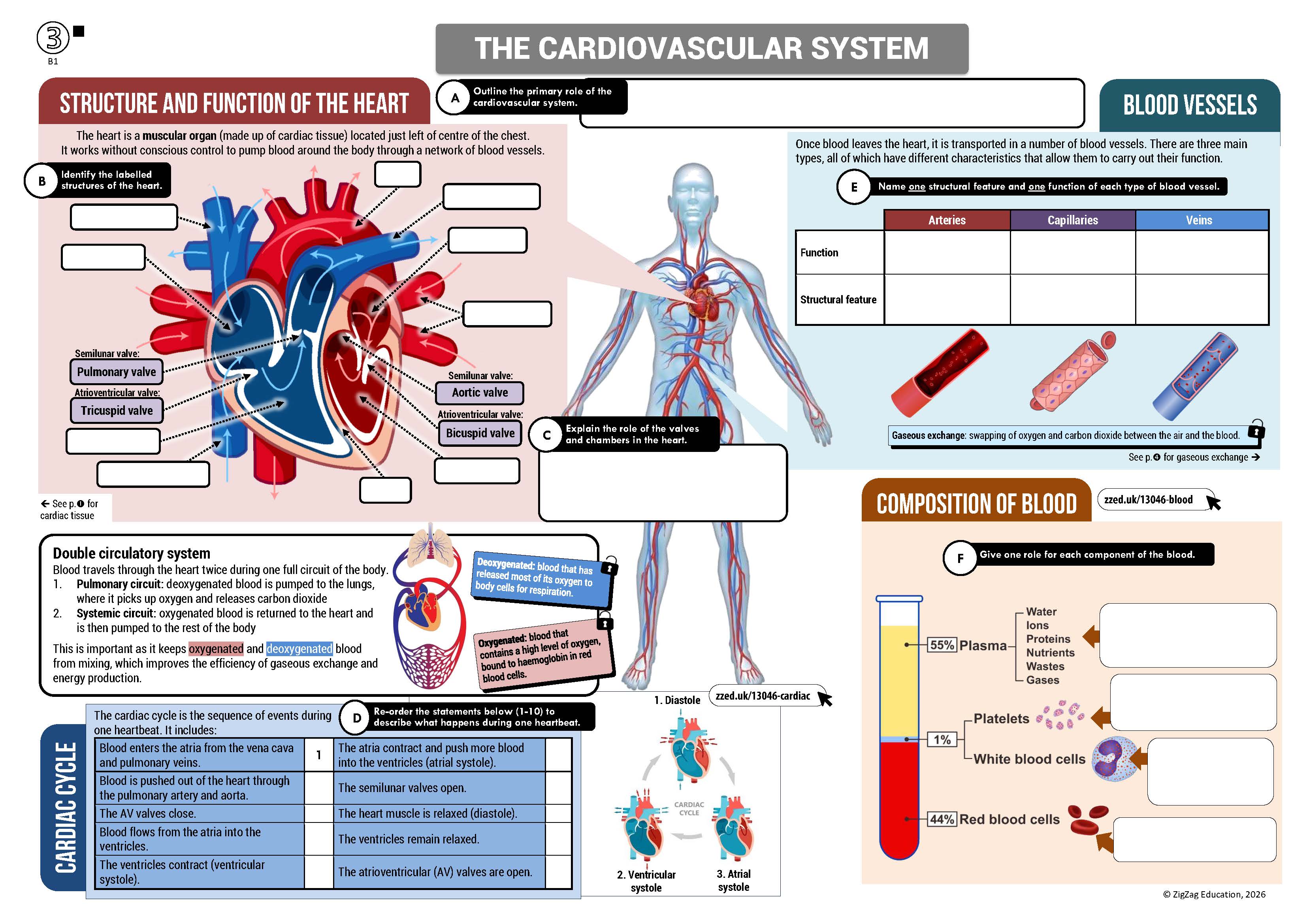
- Two sets of partially complete Activity Posters with focused tasks, providing differentiated versions for individual learner needs.
in both photocopiable A3 and A4 formats
- Diagrams and images illuminate key concepts
- Many practical examples to promote effective application
- Quick-access links to YouTube videos, interactive diagrams and websites for deeper learning
 Versatile
- Perfect for end-of-topic consolidation
- Use as place mats or as a classroom display
- Great knowledge organisers; perfect revision overviews before exams or Non-Examined Assessments
- Partially complete Activity Posters make an excellent homework
I can see it being used regularly in class, for homework, and by students independently, which makes it excellent value for money
Share with others:


What do teachers say about this resource? (13084)
A high-quality and highly effective resource that would be extremely valuable. The material is presented in a clear and well-structured manner, making it easy to follow and engage with. The content is insightful and well thought out, with a strong level of detail that supports deeper understanding. The inclusion of relevant images enhances clarity and helps to illustrate key concepts effectively. As a result, the resource not only communicates information clearly but also supports learning in a meaningful and accessible way. The colour coordination [PDF+WORD upgrade] is particularly effective, making the information easy to read without feeling overwhelming. The layout is clear and well-balanced, allowing key points to stand out while maintaining visual appeal. The content is succinct and focused, getting straight to the point without unnecessary detail, which greatly enhances its usability. Importantly, the resource avoids cognitive overload, an increasingly significant concern in schools at present, and instead supports clarity and accessibility. It actively supports the development of revision and memory skills, enabling learners to retain and recall key information confidently. The resource encourages independence and a sense of ownership over learning, empowering students to engage with the material autonomously. Visually, the effective use of icons, arrows, colour coding, and clearly defined boxed sections enhances the overall appeal of the resource while also supporting memory retention, particularly for visual learners. The availability of both A3 and A4 formats adds a valuable level of flexibility, enabling the resource to be used effectively across a range of learning contexts, such as wall displays, guided activities, or independent revision. Furthermore, the information is well chunked and carefully structured, helping to reduce cognitive load and making the revision process more accessible and manageable for learners. This is an excellent resource that I will definitely be using in my teaching.
This resource is of an excellent standard and would be a highly beneficial addition to the course. The content is organised clearly and logically, which makes it straightforward to navigate and engaging for learners. Ideas are explored thoughtfully and in sufficient depth to promote a strong understanding of the subject matter. The use of relevant images further supports comprehension by clearly illustrating key concepts. Consequently, the resource is not only effective in conveying information but also in enhancing learning in an accessible and meaningful way. Very high quality and would be an extremely valuable addition to the course. The content encourages independent learning and a sense of ownership, enabling students to engage with the material confidently and autonomously. Furthermore, key theories are meaningfully linked to real-life applications, which enhances relevance and supports deeper understanding. The use of icons, arrows, colour coding, and boxed sections enhances visual clarity and helps learners make connections between key ideas, particularly benefiting visual learners. Could be used for research tasks, guided learning activities, or independent study. Information is clearly chunked and logically structured, which reduces cognitive load and supports learners in analysing, selecting, and applying information in a manageable and accessible way. Excellent resource.
What do teachers say about this resource? (13012)
This is a highly effective revision resource for students studying Unit 1 of the BTEC National in Health and Social Care (Human Lifespan Development). It can be shared with students in A4 [or A3] format to file or use as posters to aid revision. It covers all learning aims using visual mind maps, which are ideal for revision.
The inclusion of differentiated mind maps (higher- and lower-ability versions) supports inclusive teaching and enables access for a wide range of learners—great for those who struggle with large volumes of text. Partially completed activity maps allow for learner engagement rather than passive reading, compressing complex ideas into visual notes.
- Reinforces curriculum content efficiently
- Builds revision and memory skills
- Fosters differentiated, inclusive learning
- Encourages independence and ownership of learning
- Promotes meaningful engagement with key theories and real-life application
The presentation and layout are strong, offering a clear and consistent structure that makes it easy to navigate. Each mind map is well-organised by life stage and topic, helping learners follow the content logically. The use of icons, arrows, colour coding, and boxed sections adds visual appeal and aids memory retention—particularly for visual learners.
The inclusion of both A3 and A4 formats provides flexibility for different learning environments, whether as wall displays or personal revision sheets. The content is well chunked, reducing cognitive load and making revision more manageable.
This resource not only matches the Unit 1 specification with accuracy but also interprets it thoughtfully and accessibly. It ensures students are revising the right material, at the right depth, in a way that supports both understanding and exam performance. The coverage of Aims A, B, and C fully aligns with the specification.
Great resource which I will definitely be using.
Comprehensive coverage throughout the pages and aligned to the spec well, with visual representation of various points which will really support students. Posters and roadmaps make life stage progression easy to follow. Exam-style practice encourages recall, short-answer, and case study application – just like exam questions. Inclusion of theories – Bowlby, Ainsworth, Activity & Disengagement – are useful.
This resource enhances learning by breaking down the complex Unit 1 specification into clear, accessible stages of physical, intellectual, emotional and social development. The use of visuals, colour coding and roadmaps supports dual coding, helping learners retain key information more effectively. Differentiated worksheets ensure accessibility for all learners. Exam-style case study questions promote active recall and application, mirroring BTEC assessment demands. By linking theoretical knowledge with professional roles, multidisciplinary working and person-centred care, the resource bridges classroom learning with real-world practice.
The presentation and layout are clear and visually engaging, with consistent use of colour coding, icons and structured sections. The roadmap style effectively shows progression across life stages, and the differentiated worksheets support learners of different abilities.
Overall, I really like the resource, and I think this is a high-quality and very useful resource for the course. It's presented in a very clear way and is insightful, with images, and the information is detailed.
Love the colour coordination. Information is easy to read and is not overbearing. I feel it is very succinct and is straight to the point, which is fantastic. It is not information cognitive overload, which is a huge thing right now in schools, so this is great.
It can be quite a crowded curriculum, having there been a BTEC Nationals (the 2016 spec). There are books, and I feel some of these resources are not student-friendly and the information is not really tangible. I find this resource will enhance my students' learning for sure and aid their revision.
The presentation is clear and easy to navigate. Each section is broken down with clear headings, diagrams, and worked examples. The colour coding of each of the pages and formatting is really good. It is also printer-friendly, which is fab, making it practical for classroom use and use as revision resources.
The theories are exact to the spec, which is great and gives clarity. For example, Bowlby and Ainsworth. The rest also matches and follows the sequencing, which is great and can be used on the go rather than at the end of content delivery.
I am very impressed by the resource overall. It demonstrates a clear understanding of the demands of the BTEC Health and Social Care qualification and is written in a way that is accessible yet rigorous. I can see it being used regularly in class, for homework, and by students independently, which makes it excellent value for money.
What do teachers say about this resource? (13046)
Overall, I think this is an excellent resource for Unit 2: Human Biology and Health. The content is presented clearly, with accurate biological detail that aligns with the external exam focus. It makes a potentially challenging unit much more accessible for learners by breaking down complex body systems and disorders into manageable sections.
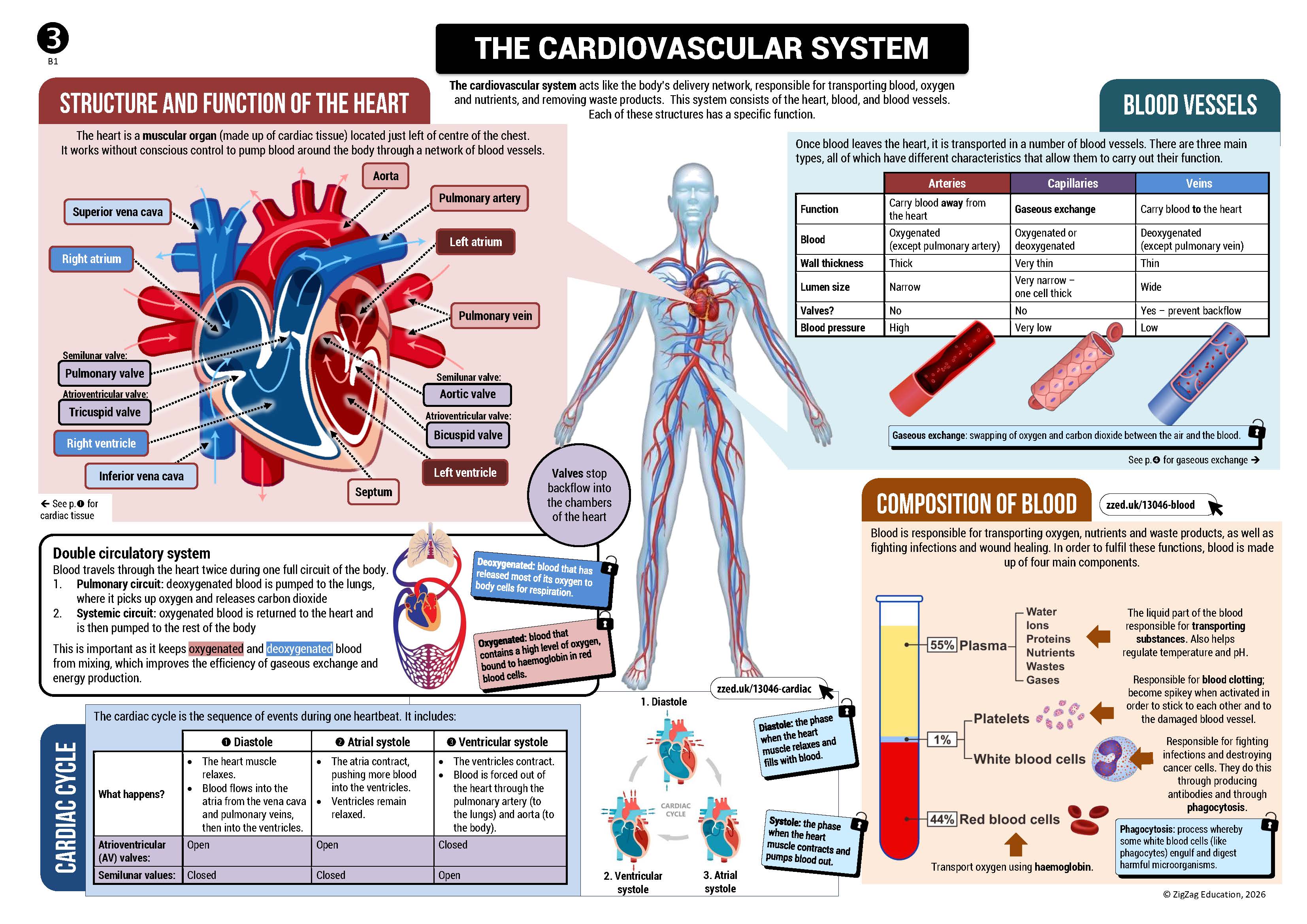
I liked the diagrams and visual representations of cells, tissues, organs and body systems, as these help students who struggle with heavy text-based biology content. The case study links to conditions such as coronary heart disease, stroke and diabetes are very helpful in showing how theory applies to real-world health.
This resource enhances learning by providing both core biological knowledge and clear examples of how disorders affect multiple systems. The inclusion of exam-style practice questions, especially those requiring connections between body systems, prepares learners for the exact demands of the external exam.
The layout is excellent: clear headings, colour-coded sections [PDF upgrade], and diagrams prevent cognitive overload and make revision much easier. It matches it all really well and covers all the necessary content in good detail. The way it explains primary and secondary effects of disorders across interlinked systems directly reflects the assessment outcomes set by Pearson. It also follows the structure of the specification, ensuring sequencing is logical and easy to follow.
It is time-saving, accurate and student-friendly, making it an essential resource for both teaching delivery and revision. I am very impressed by the overall quality of the Unit 2 resource—very excited to use this in my lessons when I do deliver and share with my colleagues in my department.
The use of mind maps and visual formats makes the content more accessible, especially for visual learners. Offering both higher-and lower-ability [activity] versions is a real strength for inclusive learning and differentiation. The resource covers all three learning aims (A: organisation, B: body systems, C: disorders) with clear, structured summaries. This is ideal for revision and makes the vast content manageable for students, especially when under time pressure before exams. Its flexible design means it can be used as classroom display material, classwork activities, or home revision sheets. The mind maps are excellent for summarising content. Visual representations of complex systems (e.g., cardiovascular, endocrine) help students see connections and organise knowledge clearly. For students with low literacy or SEN needs, mind maps reduce cognitive overload by chunking information into manageable visual units. Clear and visually structured: the use of colour-coded boxes, icons, and diagrams makes the resource visually appealing and helps learners navigate the content easily. Consistent Format: Each mind map follows a predictable layout, which supports learners who benefit from routine and structure. This resource closely follows the BTEC AAQ Unit 2 specification in structure, terminology, and scope. It is a reliable revision tool that successfully supports the required knowledge. Great resource which will support all learners.
A great resource. It is detailed enough without feeling overwhelming and will support students' consolidation of the material. The diagrams are clear, and the content is not too cluttered on the page. I particularly like the consolidation questions that can be used as prompts for students. This is a good 'all-rounder' for students we know will (sadly) do the bare minimum and serves a good purpose for any absences of students. This resource allows students to work as hard as they want. They can basically just learn as it is and test their recall, or they can challenge themselves further by filling in the blank boxes of their knowledge, too. This makes it a really handy 'quick test' resource for teachers too, as blank ones could be printed and laminated, ready to test recall as a starter or plenary. A really comprehensive resource. This resource has interpreted the specification well. It will be very useful for non-specialists.
Keywords
- Pearson (Level 3) Alternative Academic Qualification BTEC National in Health and Social (Extended Certificate)
- 610/3964/0
- Unit 1: Human Lifespan Development
- Level 3 Topic on a Page
- BTEC Nationals Topic on a Page
- Topic on a Page for AAQ
- Health and Social Care Topic on a Page
- BTEC Nationals Knowledge Organiser
- Gifted and Talented
- Safeguarding
- Child protection and welfare
- External assessment
- Transferable skills
- Digital skills
- BTEC Nationals Revision
- Internal Assessment
- BTEC Nationals Knowledge organisers
- Unit 2: Human Biology and Health
- Unit 3: Principles of Health and Social Care Practice
- Unit 6: Safe Environments in Health and Social Care